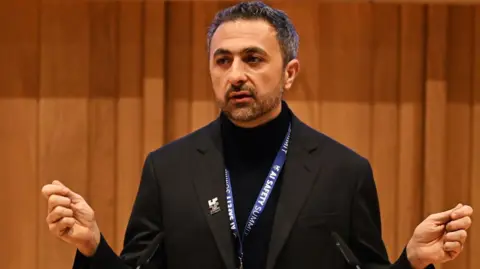

Microsoft AI chief Mustafa Suleyman said there is a danger, and it is premature to be studying if AI can be conscious. He argues that the risk of treating AI as though it were conscious is actually real harm. Suleyman asks the industry to focus on real-world harms to people instead of debating whether models might feel.
What Suleyman said in plain words
Suleyman wrote that some companies may build systems that seem to feel. He warned that the illusion of feeling will lead some people to form unhealthy attachments. He said this could make existing social conflicts worse and could distract teams from fixing human harms. He framed the change as not just technical but as social and psychological.
Why this matters now
Chatbots have become more human-like in speech and tone. Some users report strong emotional bonds with these services. Journalists and clinicians have documented cases where long chatbot conversations reinforced harmful beliefs or worsened mental health. Tech writers have called this pattern chatbot psychosis. Those reports helped shape Suleymans warning.
What other researchers are doing
Some groups have argued that AI welfare deserves study. The research group Eleos published a report that says AI systems could plausibly have experiences and that companies should prepare for that possibility. The report recommends ways to test models and to design safeguards if welfare matters arise.
What firms are building now
Anthropic has created an AI welfare research track. The company added a feature that lets Claude end conversations in rare cases of extreme abuse or harm. Anthropic said the change grew out of exploratory work on model welfare and alignment. Other labs are hiring researchers to study machine cognition and related social questions.
Where Microsoft stands and why that matters for products
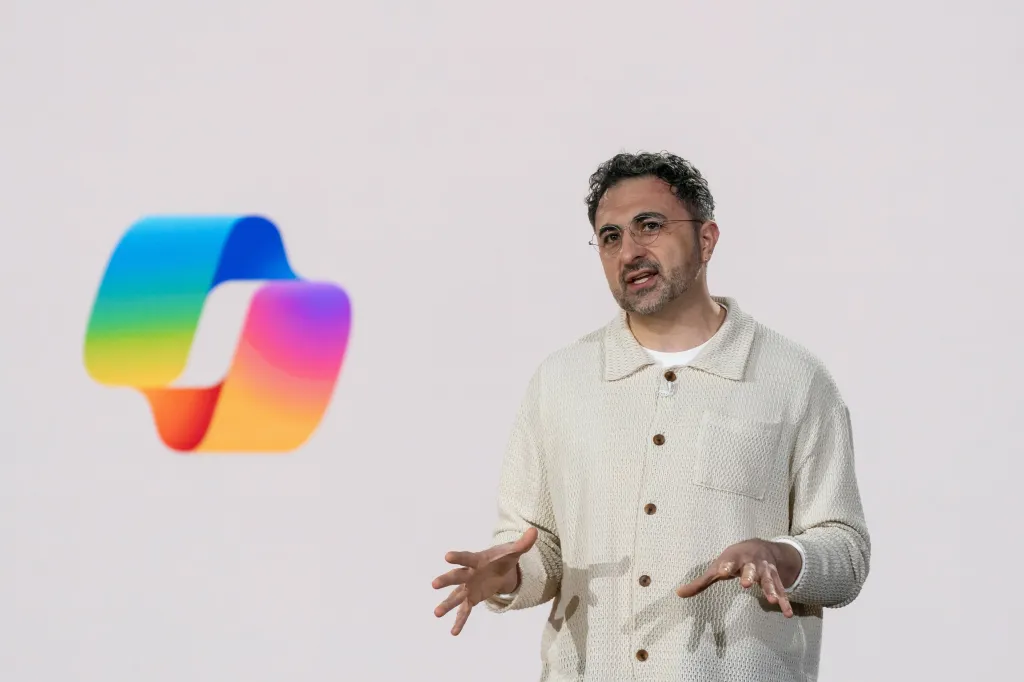
Suleyman leads Microsofts AI work, and he has argued for a people-first approach. He says AI should be built to help humans and not to be a stand-in for a person. That view matters because Microsoft shapes tools used by many workers and firms. The stance will affect policy, research priorities, and how products present themselves to users.
Concerns that Suleyman raised about public harm
Suleyman said that when AIs seem conscious, people may be more likely to trust them in risky ways. He warned that vulnerable people could form harmful attachments. He also said that public debate about rights for AI could deepen social divides over identity and rights. These are his central social concerns.

Counter arguments from other experts
Those who study AI welfare say that the two tracks can run together. They argue that teams can reduce human harm while they study model welfare. Eleos and other researchers say that planning ahead is a low-cost safety step. Anthropic and some academic groups say that exploring indicators of distress in models can improve alignment and safety.