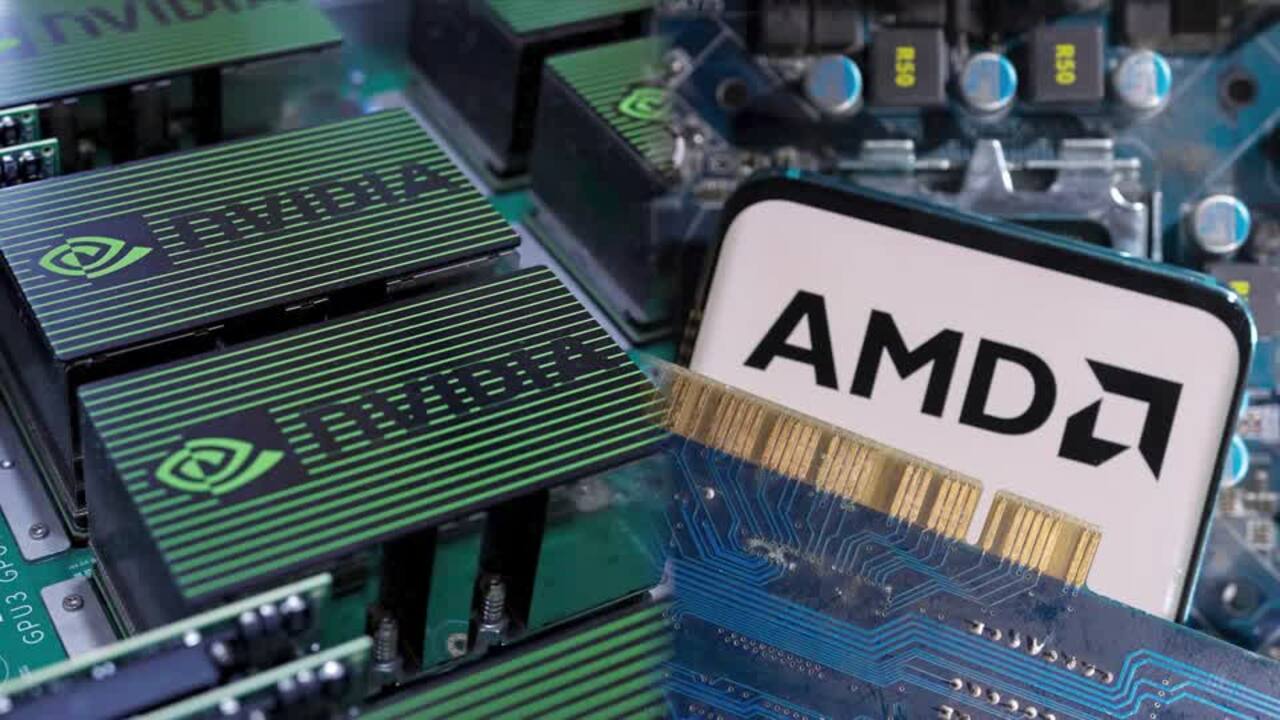

Nvidia and AMD have agreed to give the United States government 15 percent of revenue from certain AI chip sales in China. The arrangement applies to Nvidia’s H20 product and AMD’s MI308. The deal comes as the Commerce Department began issuing export licences that let firms resume some sales to Chinese customers.
What the agreement actually covers
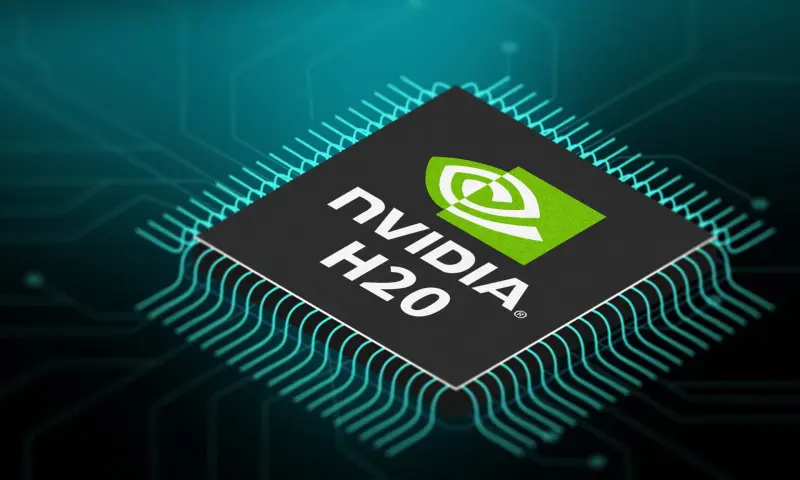
Under the arrangement, Nvidia will pay 15 percent of revenue from H20 chips sold in China. AMD will pay the same share on MI308 sales. The payments are part of conditions tied to export licences that allow those chips to move to customers in China under current rules. The White House and the companies have not published a full public contract text.
Why officials and experts are worried
A group of former national security officials and other experts warned that chips like the H20 could accelerate China’s AI capabilities and might be repurposed for military or surveillance systems. That concern underlies the criticism of any policy that expands access to advanced inference chips even when it is paired with financial conditions. The experts made their views clear in formal letters to Commerce Department officials.
The restart of some H20 exports followed negotiations and regulatory review. The Commerce Department began issuing licences after discussions that included company leaders and government officials. Nvidia said it hopes the licenses will let it compete in China and worldwide while following the rules set by the United States.
Political and diplomatic reactions
The move has sparked concern in Washington and in Beijing. Some US lawmakers and security experts argued that the deal could weaken national security safeguards. China has publicly criticized US export controls in general and framed restrictions as unfair trade pressure. The revenue-sharing plan adds an unusual financial element to a long-running policy debate.
What analysts say about market impact
Analysts note that the arrangement is unprecedented and could change the economics of selling to China. A fee or revenue share will reduce the net proceeds companies derive from Chinese sales. Observers also point out that the deal may set a new template for how the United States manages sensitive technology exports in the future. Market moves were visible after the reports as investors reacted to the new terms.
Why this matters for global tech policy
The deal puts into perspective the conflict between the national reserve of advanced technology and allowing businesses to have access to big markets. It also leaves open the question of how the export policy will intersect with trade negotiations and with the overall attempts to create national chip capacity. The United States has also been attempting, at once, to curtail sensitive exports by tightening the transfer of sensitive technologies to the outside world and enhancing the onshore investment to manufacture chips and server facilities.
The saga of this story will still run because the relevant regulators, lawmakers, and companies concerned are yet to give more information. Both technical and political developments are to be anticipated in the next few days and weeks as the arrangement and its impact work their way through markets and policy forums.