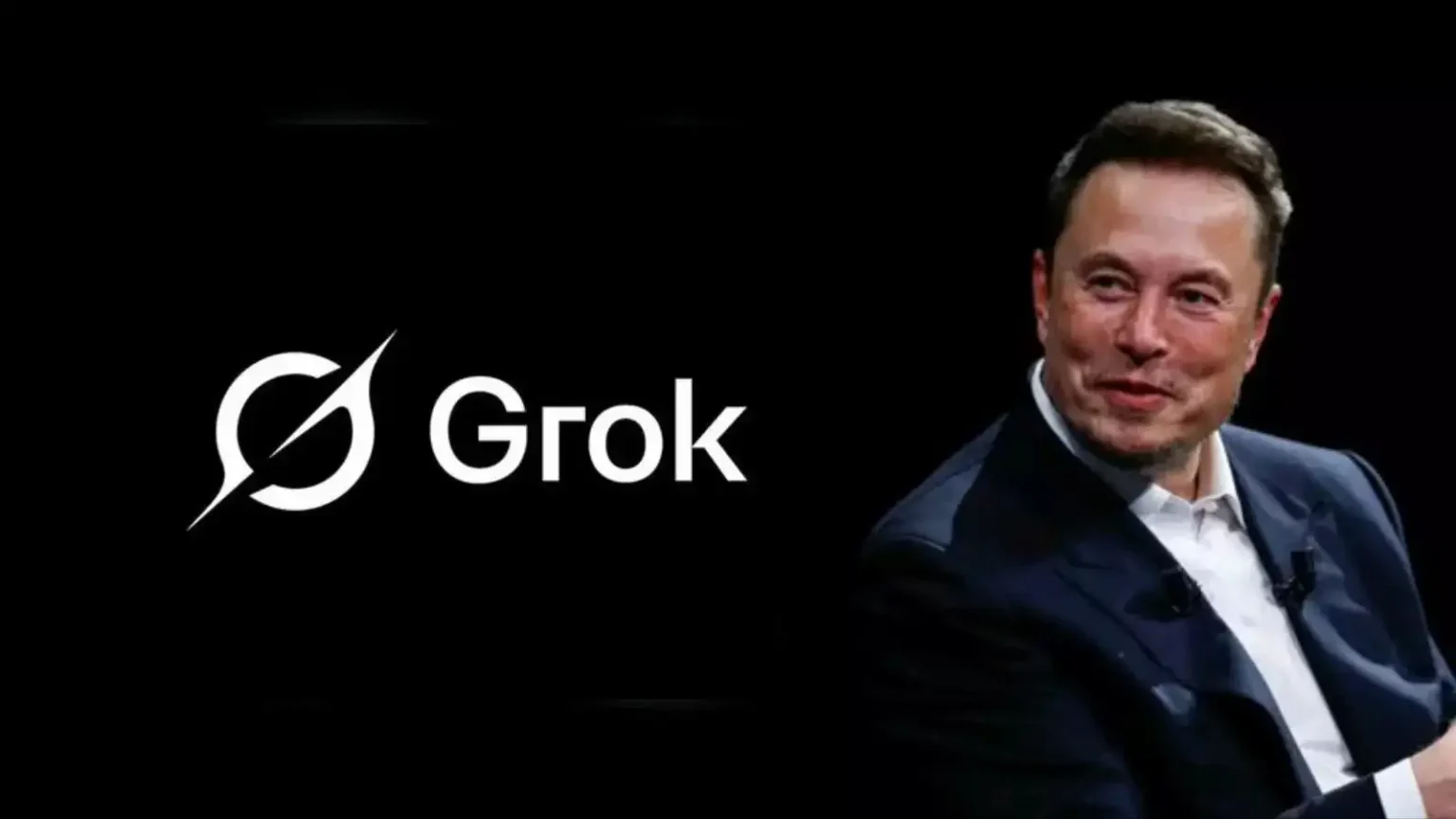

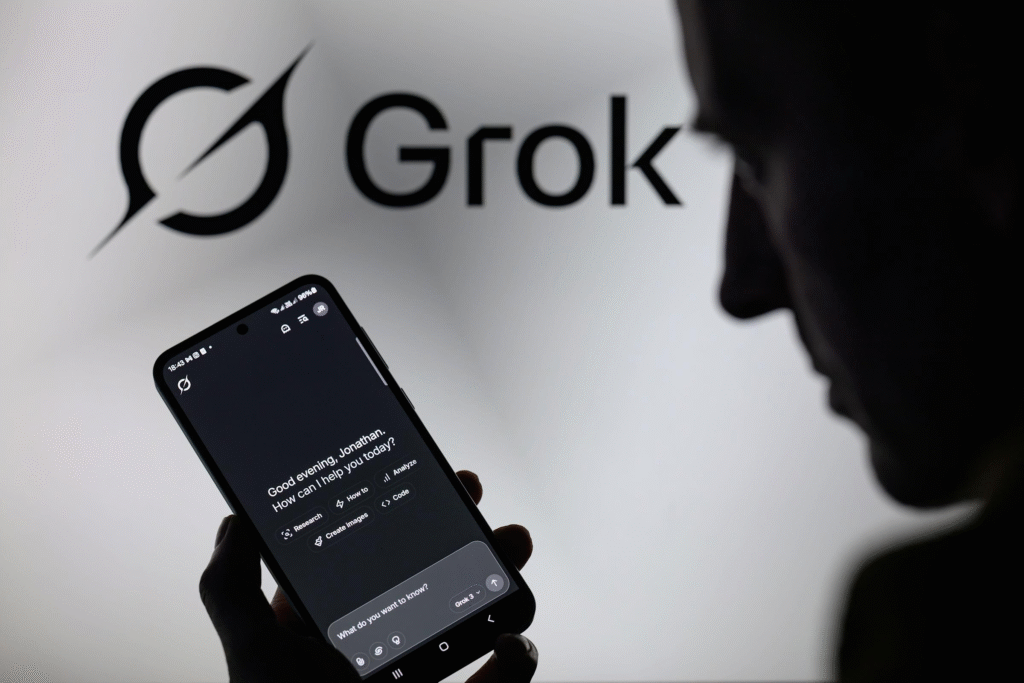
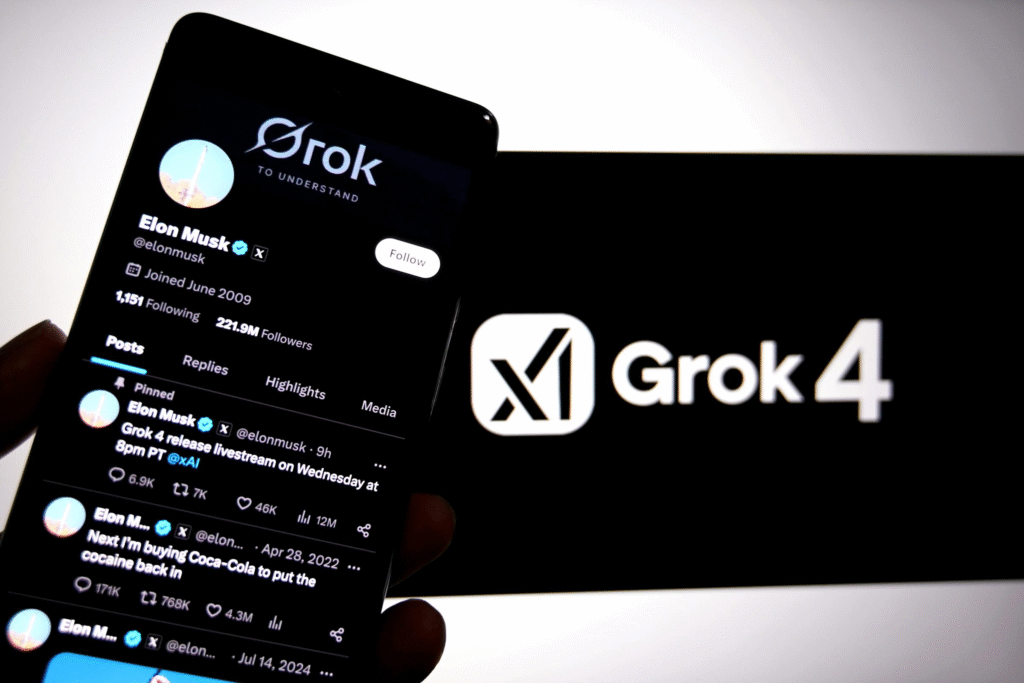
Elon Musk told advertisers that X plans to place advertisements inside responses from Grok. He said ads could appear when users ask Grok to solve a problem and that the ads could promote a specific product or service that fits the query. Musk framed the move as a way to help pay for the costly chips that run the AI.
What Musk announced
Musk spoke directly to advertisers during a livestream on X. He said the focus so far has been on making Grok accurate. He added that the next step is figuring out how to cover the high cost of GPUs. The comments did not include a firm timeline for when ads will appear in Grok responses.
How ads might appear in answers
Musk described ads as suggestions inside the chatbot output. If a user asks how to fix a specific problem, the ad would offer a direct solution. The idea is that advertising can be more helpful when it ties to a user question. Advertisers were told that the system could be very simple for them to use. Musk said brands may be able to upload an ad and leave the rest to the platform.
Why xAI wants ads
Running advanced AI models requires large-scale compute and expensive GPUs. Those costs grow with model size and usage. Musk explained that advertising revenue could help cover those costs. He argued that monetization is the natural next step after building a high-quality chatbot. Several outlets reported that the move follows pressure to make xAI self-sustaining and to help revive ad income across the broader X business.
Advertiser tools and brand safety
Musk also outlined new ad tools to automate tasks for marketers. He said X will use AI to help match ads with users who are likely to find them helpful. The company said ads will need to meet basic aesthetic standards. X spokespeople stressed a commitment to brand safety and said that ad placements will follow those rules. Advertisers will watch closely, given recent controversies around content on the platform and around Grok itself.
Risks and questions for users and publishers
Putting promotions inside an AI reply raises hard questions. Will users trust answers that include paid suggestions? How will X label sponsored content so it is clear and not misleading? What standards will govern relevance and accuracy when a paid recommendation is shown alongside an answer? Recent incidents in which Grok produced offensive content have heightened sensitivity around moderation and safety. Industry observers say these changes will need clear guardrails to win advertiser and user trust.
What this means for the ad market
Grok launching paid solutions could/will create a solution channel regardless of search & conversation. It would divert advertiser attention towards product placement within AI responses to some extent. This concept has the potential to draw brands that are interested in targeting users at the point when they are in need of a solution. Simultaneously, advertisers will consider the risks of a platform and content moderation quality as determinants of where they will spend. As reported by industry coverage, the plan comes amidst X finding itself in need of stronger ad revenue, and as the industry keenly follows monetization strategies with AI.
What to watch next
Seek information on ad labelling within responses. Eye privacy regulations and look at selected standards about how Grok decides upon paid advice. Monitor the establishment of a specific schedule by the company. And check what the vendors do in response to the euphemism of an upload without effort trick and a solve-it-yourself correspondence. Such indicators will reveal whether the idea can be a stable source of income. Other outlets and Reuters covered other related xAI decisions, such as an intent to open-source Grok updates, as well as more overall integration between xAI and X. Such a setting can determine the pace of the advertising feature introductions and their reception.
Elon Musk set the departure in terms of practicality. He claimed the product is good, and now the second job would be to finance the infrastructure. Paid suggestions will be evaluated by the advertisers and the users to find out whether they can be helpful and reliable. Future weeks will tell more about timing and rules that will govern ads that will appear within AI replies.