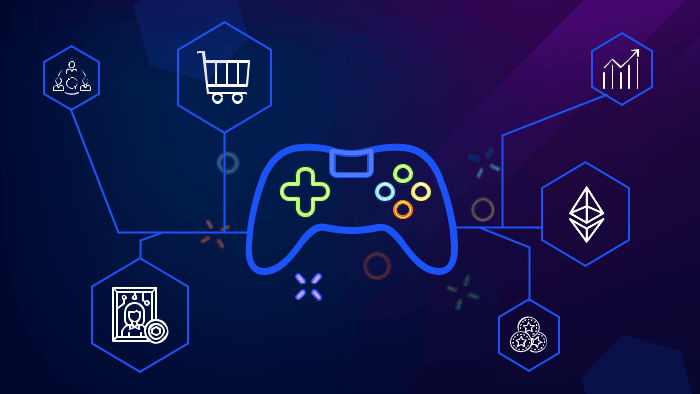

Blockchain in the gaming industry is changing how players own items and earn rewards. This technology creates secure digital ownership. It also opens new ways for gamers to make money while they play. Many developers and studios are now adding blockchain features to their games. This shift aims to make games more fair, transparent, and engaging for players around the world.
What Is Blockchain in Gaming
According to Chainalysis, blockchain is a digital ledger that records transactions in blocks chained together. In games, it can track item ownership in a tamper-proof way. Each item or currency in the game can be a token on the blockchain. Players can buy, sell, or trade these tokens outside the game. This method gives players true control over their digital assets.
Games that use blockchain often mint rare items as non-fungible tokens or NFTs. These NFTs exist on the blockchain. They cannot be duplicated or deleted by the game company. If a game server shuts down, the NFTs remain in players’ wallets. This permanence protects players’ investments in the game.
Play to Earn and New Player Rewards
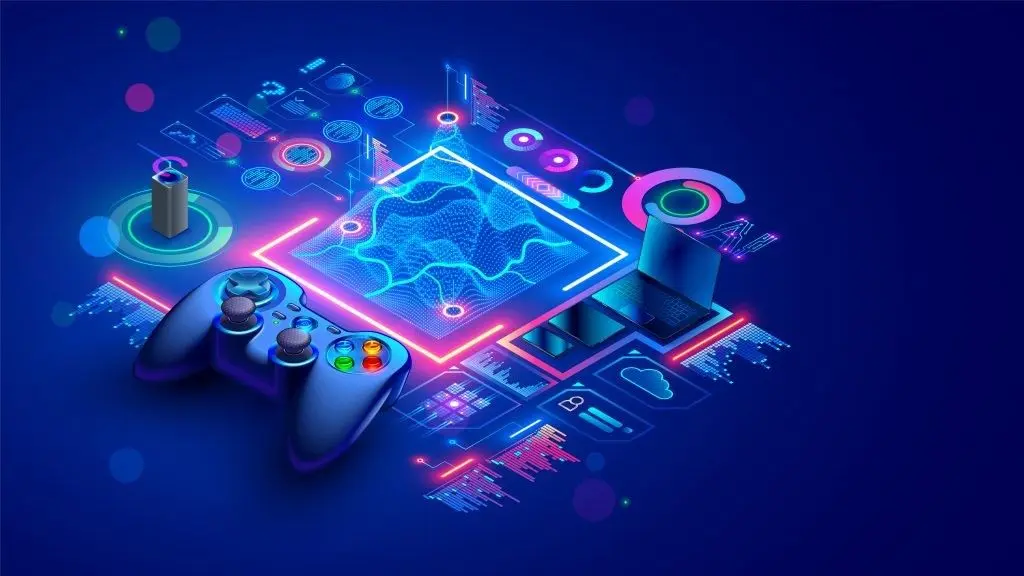
One major use of blockchain in the gaming industry is play-to-earn models. In these games, players earn tokens or NFTs by completing quests or winning battles. Those tokens have real-world value. Players can sell them on marketplaces for real money or cryptocurrency.
For example, in Axie Infinity, players breed, battle, and trade creatures called Axies. Each Axie is an NFT on the Ethereum blockchain. Players earn tokens called SLP by winning matches. They can sell SLP on exchanges or use it inside the game. Some players in remote regions earn more by playing than they would in local jobs.
Play-to-earn gives players a chance to earn income from gaming. It also drives more engagement and longer play times. Developers share game revenue with players. This breaks the traditional model where studios keep all profits.
True Ownership with NFTs
In many traditional games, players never own the items they buy or find. If the game company removes an item, those players lose it forever. In blockchain-enabled games, every item is a token owned by the player. This makes in-game economies more transparent and secure.
When a player finds a rare sword in a game, it can be minted as an NFT. The player owns that NFT in their crypto wallet. They can gift it, trade it, or keep it as a collectible. Even if the game shuts down, the NFT still exists. The player can import it into another game that supports the same token standard.
This true ownership also allows items to move between games. If two games use the same token standard, a player might bring their rare sword from one game into another game world. This cross-game interoperability is a key promise of blockchain in the gaming industry.
Decentralized Marketplaces and Auctions
Blockchain in the gaming industry powers decentralized marketplaces. These are places where players buy, sell, and trade in-game assets without a middleman. Smart contracts on the blockchain manage trades automatically. This reduces fraud and fees.
On a decentralized marketplace, players list their NFTs for sale. When another player buys an item, the smart contract moves the token and pays the seller instantly. The game studio may take a small royalty on each sale. This gives studios a share of secondary market revenue forever.
Auctions also work well on the blockchain. Developers can run live sales of limited items. Players bid with cryptocurrency. At the end, the highest bidder wins. All bids and transfers are securely recorded.
Enhanced Security and Fair Play
Traditional game economies are vulnerable to hacks, bots, and cheating. Blockchain in the gaming industry adds security by making all transactions public on the ledger. Developers can audit trades and find bad actors more easily.
In addition, users can verify that the game is not creating extra tokens or items out of thin air. The total supply of each token or NFT is fixed on the blockchain. This transparency helps build trust.
Challenges and Technical Hurdles
Blockchain gaming also faces hurdles. Many players are not familiar with crypto wallets and gas fees. Setting up a wallet and buying tokens on an exchange can be confusing for new users.
Blockchain networks also need to handle thousands of transactions per second. Some blockchains have high fees or slow confirmation times. Games require fast, cheap transactions so players can trade items without delay. Developers must choose or build blockchains that scale well.
Regulation is another concern. Some countries treat NFTs and game tokens as securities. Developers must navigate complex laws on digital assets. Ensuring compliance while still offering innovative features is a key challenge.
Trends in Blockchain Gaming
Despite challenges, blockchain in the gaming industry continues to grow. More studios are experimenting with NFTs and tokens. Big publishers are watching indie success stories.
In the future, we may see full game worlds built on the blockchain. Players could truly own land, homes, and gear. Cross-game item transfers could become common. Guilds and communities could form to share resources.
Streaming services may even integrate blockchain so viewers can earn tokens by playing along. Virtual reality and the metaverse will rely on blockchain to secure digital assets.
How Players Can Get Started
If you want to try blockchain gaming, start by creating a crypto wallet that supports game tokens. Next, pick a simple play-to-earn game like CryptoKitties or The Sandbox. Learn how to buy tokens on a trusted exchange. Then explore in-game marketplaces and start trading.
Watch tutorials online and join Discord communities for support. Always do research before investing real money. Stick to small amounts until you understand how it works.
Blockchain in the gaming industry offers new ways to play, earn, and own. It gives players more power and studios new revenue models. As technology matures, these games will reach a wider audience. The future of gaming is on the blockchain.