
Major tech and finance companies told staff on H-1B visas to remain in the United States after a presidential proclamation added a new filing fee and new entry rules for H-1B petitions. The order took effect quickly and caused urgent company memos and internal guidance to appear across several employers.
Company responses now
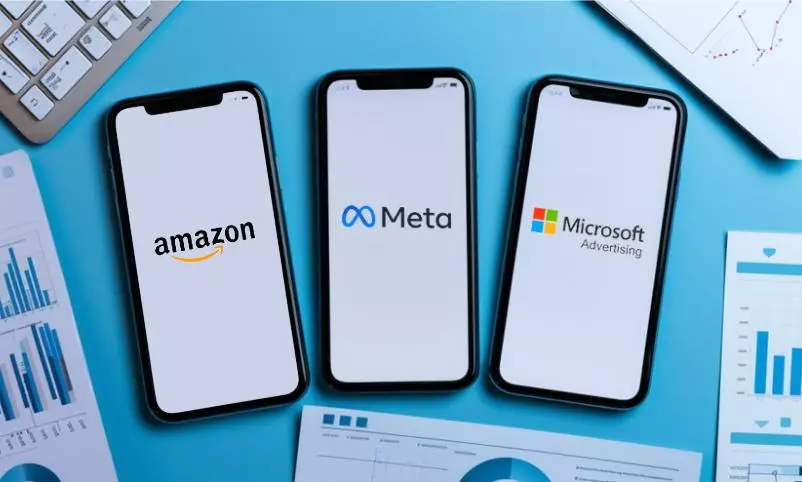
Amazon, Microsoft, Google, Tesla, Goldman Sachs, and other firms sent immediate advisories to workers on H-1B status. The messages generally urged employees who are inside the United States to delay international travel. They also advised employees who are outside the United States to try to return before the new rule took effect. Companies set up dedicated portals, hotlines, and intake forms to manage cases and to provide legal support.
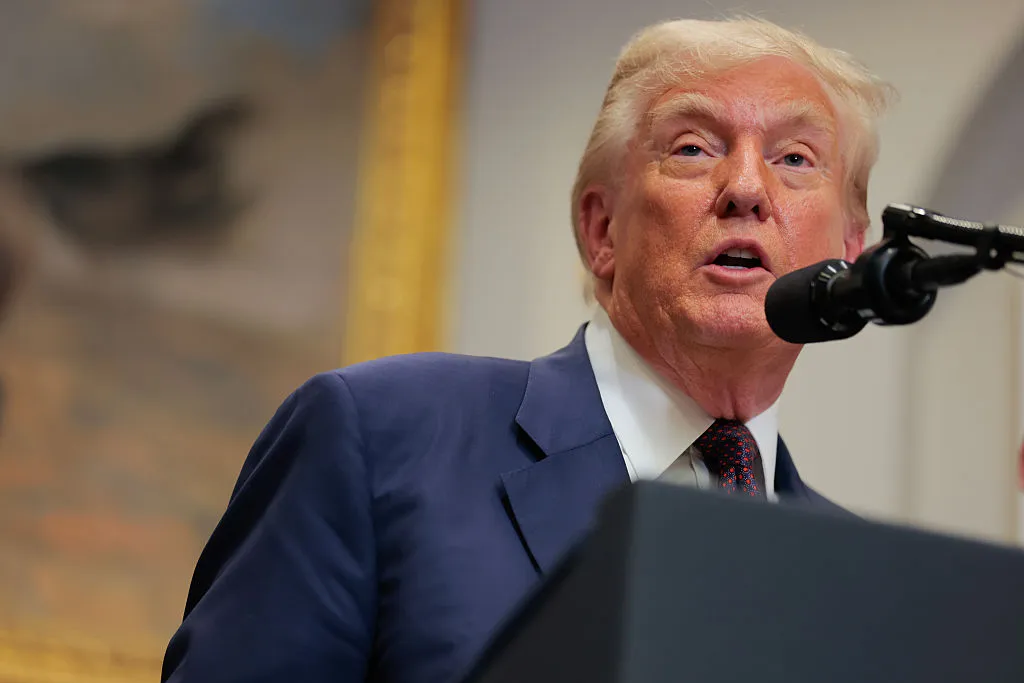
Internal memos varied in wording, but the practical guidance was similar. Firms recommended that H-4 dependents also remain in the United States even though the proclamation does not explicitly name H-4s. Some employers asked staff who could not return quickly to fill out intake forms so lawyers and HR teams could prioritize outreach. The speed of the guidance reflected how fast the policy change moved through markets and company operations.
What employees should
As long as you are in the United States and have H-1B status, there is no need to leave at the moment unless there are pressing reasons. When you are outside the United States, attempt to reenter the country when traveling opportunities are open and your employer is willing to assist. Call your company immigration department and your attorney soon. Make duplicates of all of your travelling papers and any messages to your employer or counsel.
Additional General Information: Use official channels to track the updates of the Department of State, USCIS, and your employer. According to the text of the White House and the USCIS guidelines, the new rule will influence entry or reentry after the date of its publication, and the details of implementation will be published by the agencies. In case of pressing personal or family needs, consult your immigration counsel on risks and possibilities, and do not be guided by the public posts.
Wider implications
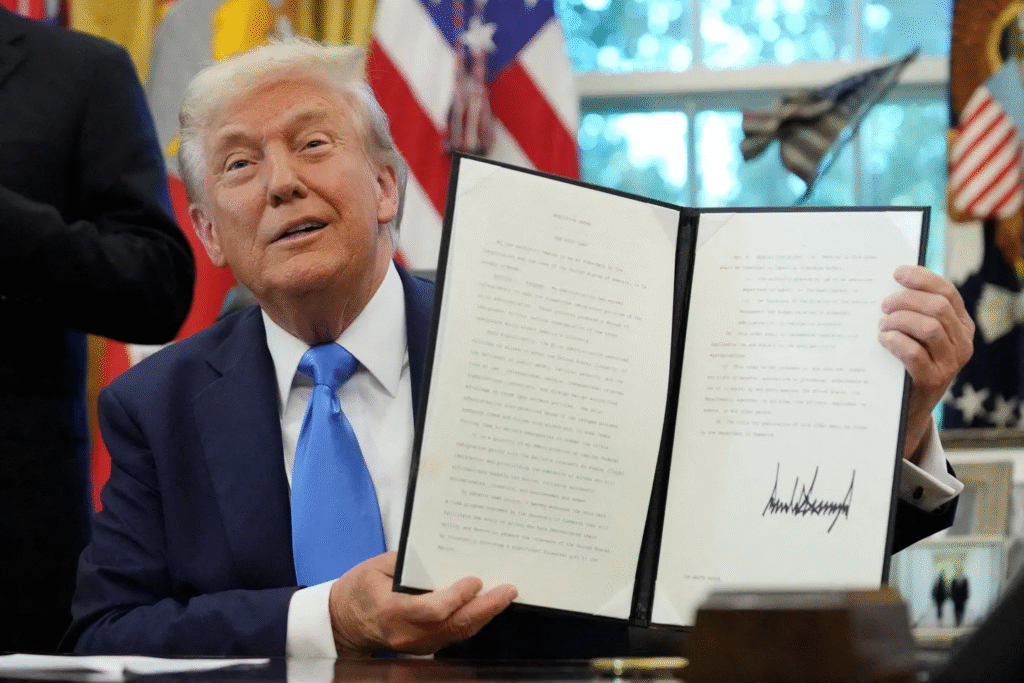
The proclamation also demands an extra big charge on numerous H-1B applications, and it can remodel the recruitment and travel strategy of the firms that depend on the assistance of skilled overseas employees. Markets and legal teams responded quickly, and the policy is likely to undergo legal and political review in the next days. Employers are balancing rapid support for affected workers with efforts to understand the exact scope of the new rules.
Employees should document every step and expect revisions to guidance as agencies and courts clarify implementation. Companies will continue to update staff and to offer legal assistance where they can. The situation is fluid and requires careful attention to official sources and to the advice of your employer’s immigration team.