TTB White LOGO TB
  • News
  • PC & Hardware
  • Mobiles
  • Gaming
  • Electronics
  • Gadget
  • Reviews
  • How To
  • Login
  • Sign Up
Trending
Microsoft Launches Copilot Tasks Research Preview
Lenovo Teases Foldable Legion Go With 11.6 Inch Screen
How iOS 26 Prioritizes Alerts With Apple Intelligence
Mobile Game Installs Drop but Spending Climbs in 2025
Instagram Will Tell Parents When a Teen Searches for Suicide or Self Harm
Friday, Sep 18, 2026
The Tech BasicThe Tech Basic
Font ResizerAa
Search
Follow US
The Tech Basic > News > Starlink Satellites Could Threaten the Ozone Layer Long-Term
News

Starlink Satellites Could Threaten the Ozone Layer Long-Term

Evelyn Blake
Last updated: 23 June 2024 17:22
Evelyn Blake
Share
SHARE

Researchers at the University of Southern California conducted a simulation to study what happens when satellites burn up during re-entry. The results raise concerns about the long-term environmental impacts of large satellite constellations like Starlink.

Contents
  • Aluminium Oxide Nanoparticles in The Atmosphere
  • Mega Constellations Increase Concerns
  • Impact On the Ozone Layer

Please follow us on Twitter and Facebook

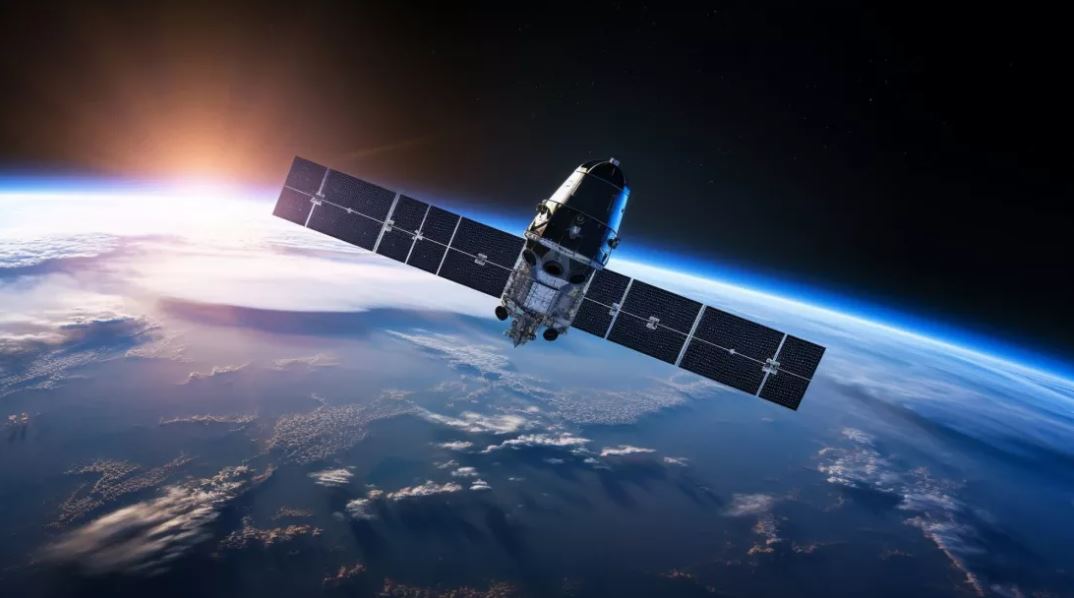
The study, published in the journal Earth and Space Science, focuses on the aluminum content of satellites, which makes up about 30% of their mass. When these satellites enter the atmosphere at the end of their operational life, they undergo a process called thermal ablation that creates aluminum oxide nanoparticles.

Aluminium Oxide Nanoparticles in The Atmosphere

Researcher Dr Jane Smith explained:

“We found that these particles can remain in the upper atmosphere for decades before settling in the ozone layer. There they can then catalyse reactions that deplete the ozone.”

The team’s simulations showed that a typical 250 kg satellite could generate about 30 kg of alumina nanoparticles upon re-entry. This may not seem like much, but the cumulative effect of hundreds or thousands of satellites could be significant.

Mega Constellations Increase Concerns

The research comes at a time when several companies are planning to launch massive constellations of small satellites for global internet coverage and other services. These mega-constellations will dramatically increase the number of objects entering Earth’s atmosphere in the coming years.

Dr Smith explained:

“Our calculations suggest that by 2022, satellite crashes will already be releasing about 17 tonnes of aluminium oxide per year into the Earth’s atmosphere. In a future scenario with mega-constellations, this amount could rise to over 360 tonnes per year.”

Impact On the Ozone Layer
Starlink Satellites Could Threaten the Ozone Layer Long Term (1)

The study estimates that these human-caused inputs could exceed natural aluminum inputs from micrometeorites by more than 640 percent annually in the worst-case scenario. This significant increase in aluminum compounds in the upper atmosphere has unknown consequences for ozone chemistry and climate.

Dr. Mark Johnson, an environmental scientist not involved in the study, cautioned:

“While these results are worrying, we need further research to fully understand the impacts. The ozone layer has recovered from damage in the past, but we should not take this for granted.”

The research team emphasized that the study only considered the oxidation of aluminum and that several simplifying assumptions were made. It called for further research into the complex chemistry of satellite reentry and the potential environmental impacts.

Read Also: Pentagon Thwarts Russian Starlink Use in Ukraine

Share This Article
Facebook Reddit Copy Link Print
Share
ByEvelyn Blake
Follow:
Evelyn Blake is an investor in technology and journalist who has been in the nascent space since 2014. Her love and passion for technological innovations made her delve deeper into the world of technology evolution. As a journalist, Evelyn has been covering latest trends and emerging gadgetries. She is a philanthropist and human rights activist.

Let's Connect

FacebookLike
XFollow
PinterestPin
InstagramFollow
Google NewsFollow
FlipboardFollow

Popular Posts

Microsoft

Microsoft Launches Copilot Tasks Research Preview

Salman Akhtar
4 Min Read
Lenovo

Lenovo Teases Foldable Legion Go With 11.6 Inch Screen

Salman Akhtar
4 Min Read
iOS 26

How iOS 26 Prioritizes Alerts With Apple Intelligence

Salman Akhtar
3 Min Read
Mobile Game Installs

Mobile Game Installs Drop but Spending Climbs in 2025

Salman Akhtar
3 Min Read

You Might Also Like

Instagram
News

Instagram Will Tell Parents When a Teen Searches for Suicide or Self Harm

4 Min Read
Nvidia
News

Nvidia posts $68.1B quarter as AI boom accelerates Q4 growth

3 Min Read
Galaxy S26
News

Samsung Reinvents AI on Galaxy S26 With Triple Assistants

4 Min Read
Gemini
News

Gemini Automation Books Rides on Galaxy S26 and Pixel 10

4 Min Read

Social Networks

Facebook-f Twitter Instagram Pinterest Rss

Company

  • Home
  • Login
  • My Interests
  • My Saves
  • Register

Policies

  • Home
  • Login
  • My Interests
  • My Saves
  • Register
Latest
Court Filing Probes Instagram Delay on Teen Protections
YouTube Upgrades Premium Lite With Background Play
Apple Hits New Sales Peak in Europe While Demand Softens Elsewhere
iPhone 18 Pro Could Redefine Selfies With 24MP Sensor
Canva Acquires Cavalry and MangoAI to Supercharge Ads

© 2024 The Tech Basic INC. 700 – 2 Park Avenue New York, NY.

TTB White LOGO TB
Follow US
Welcome Back!

Sign in to your account

Username or Email Address
Password

Lost your password?